2026 State of FinOps: Shift Left Is Real. Measurement Is Not.
%20(2).png)
I took some time to really let the 2026 State of FinOps Report sink in.
It confirms something I’ve felt building in this space for years: FinOps is maturing fast — but it’s hitting structural limits. And those limits aren’t about tooling dashboards anymore. They’re about ownership, scale, and value.
Here are the 7 themes that stood out to me — and why I believe they matter right now:
1. Shift-Left Is Happening. Measurement Still Isn’t.
The report makes it clear: financial accountability is moving earlier into the engineering lifecycle. Pre-deployment architecture cost estimating is now one of the most desired capabilities.
That’s a big shift. But then comes the uncomfortable quote from the report:
“Once you fix it, it’s gone. So how do we give developers credit for shift-left activities?”
That sentence says everything. Shift-left without measurement becomes invisible work. Invisible work doesn’t get rewarded. And what doesn’t get rewarded doesn’t scale.
Most tools can show you cost. Very few can show you who acted, what changed, and whether behavior improved over time.
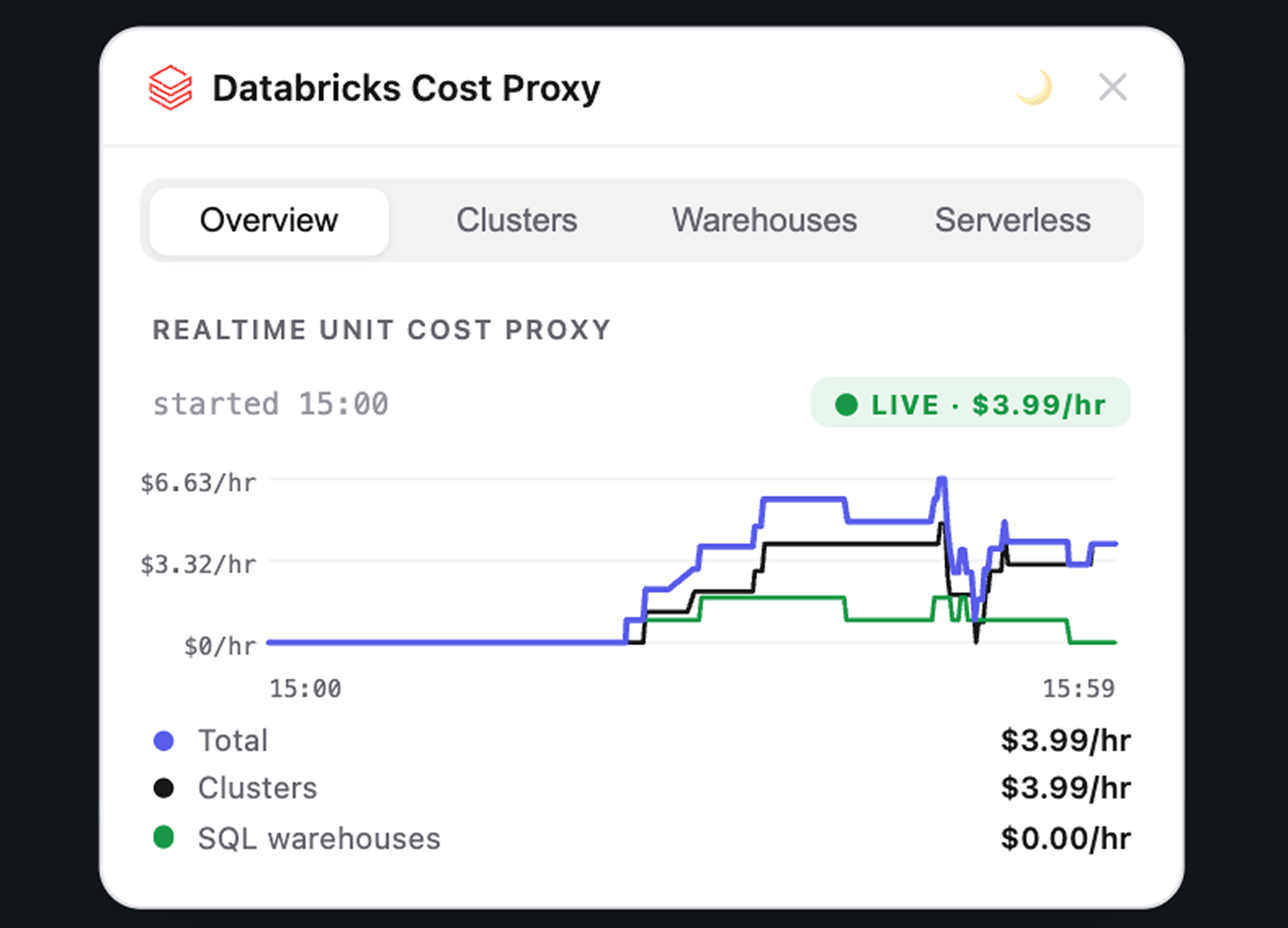
This is where Runtime FinOps and closed-loop monitoring become critical. If an engineer proactively optimizes something either before it hits production or soon after when the real cost impact becomes clear, his action shouldn’t disappear into a lower bill. It should be visible. Traceable. Creditable.
If we want shift-left to truly stick, we need systems that measure ownership — not just spend.
2. FinOps Has Officially Moved Beyond Cloud
One of the biggest signals in the report is that FinOps is no longer just about public cloud. It now spans SaaS, licensing, private cloud, and AI — with nearly every organization managing AI-related costs.
That expansion changes everything. When FinOps was “just cloud,” dashboards could be enough. When FinOps becomes “technology value management,” context becomes mandatory.
AI inference costs, SaaS seat sprawl, feature-driven infrastructure growth — these aren’t line items. They’re engineering decisions.
As the scope expands, we need to connect cost to the actual activity driving it. Not just account-level data, but deployments, product releases, experiments, and runtime behavior.
FinOps broadening its scope only reinforces something I deeply believe: Cost data without engineering context doesn’t drive change.
3. The Decentralised Model Is Winning — for a Reason
The report confirms the continued rise of a decentralized FinOps model, especially in large enterprises. Small central FinOps teams. Distributed accountability. Embedded champions.
This isn’t a trend — it’s a necessity. Central teams cannot scale through headcount alone. The math simply doesn’t work. They scale through enablement, automation, and embedded ownership. This aligns strongly with what I see as the future: bottom-up DevFinOps.
FinOps doesn’t scale through control. It scales when engineers can take cost ownership within their daily workflow. But federated accountability only works if distributed teams are equipped with intelligence and automation — not just finance dashboards and noisy alerts.
4. Small Teams. Specialized Skills. A Scaling Bottleneck.
Another theme is how small and specialized central FinOps teams still are. Demand is growing. Complexity is increasing. But the teams themselves remain lean.
So what happens? They end up spending a lot of their time:
- Triaging noisy alerts
- Manually analyzing anomalies
- Re-explaining context
- Chasing engineers for remediation
That’s not strategic FinOps. That’s operational friction. If the model is federated, intelligence has to scale with it. Otherwise, central teams become bottlenecks.
The only sustainable path forward is automation plus contextual causality — enabling engineers to act without being chased.
5. The FinOps Discipline Is Shifting from Cost to Value
Something subtle but important in the report is the evolution of the FinOps mission itself — toward managing the value of technology, not just its cost. That’s a meaningful shift.
In early FinOps maturity, the focus is visibility. Then comes optimization. But eventually, the question becomes: is this spend aligned with value?
Understanding cost structure comes before reducing it. And reducing it comes before shaping it toward better outcomes. This is where the conversation matures. When engineering teams can see how their decisions impact cost in real time — and how that connects to product value — the dialogue changes from “reduce spend” to “optimize decisions.”
That’s a far healthier place for the discipline to be which is why this evolution really gets me excited.
6. Dashboards Are Table Stakes. Context Is the Real Unlock.
One other quote that stuck with me:
“Dashboards are table stakes of yesterday — reactive. You have to move to proactive, real-time, automation. But you can’t automate what you can’t see.”
That resonates deeply. Understanding comes before automation. Automation without context is just faster confusion.
This is why linking cost directly to commits, deployments, applications, and teams is so powerful. When a cost spike occurs, the first question shouldn’t be “which service?” It should be “what changed?”
Cost-to-code lineage changes the dynamic:
- It accelerates understanding
- It reinforces ownership
- It enables real-time action
And only then does automation become meaningful.
7. FinOps Is Converging with Other Disciplines
And finally, another signal I find important: FinOps is no longer isolated. The report shows increasing collaboration with Platform Engineering, ITAM/SAM, ITSM, and even ESG functions.
That convergence makes sense. Technology cost isn’t a finance problem. It’s an architectural problem. A product problem. A platform problem.
As disciplines converge, shared context becomes essential. If every team looks at cost from a different lens without shared signals, friction increases. FinOps needs to operate inside engineering workflows, not alongside them.
The more cross-functional the discipline becomes, the more important it is to anchor cost in runtime behavior and engineering reality.
My Biggest Takeaway
FinOps is entering its second maturity phase.
· Phase 1 was visibility.
· Phase 2 is ownership, value alignment, and scalable enablement.
The 2026 State of FinOps Report makes one thing very clear: FinOps teams cannot scale through people alone. They must scale through intelligence, automation, and distributed accountability.
Shift-left is happening.
Decentralization is happening.
Scope expansion is happening.
Value-based thinking is happening.
The only question is whether our tooling and operating models are ready for that shift. From where I stand, this feels less like an incremental evolution — and more like an inflection point.
And that’s exactly why I believe the next chapter of FinOps will be defined by contextual intelligence, proactive ownership, and measurable action — not just better dashboards.
Related posts
Discover further insights: browse related articles.