The Most Expensive Cloud Changes Don’t Break Anything
%20(2).png)
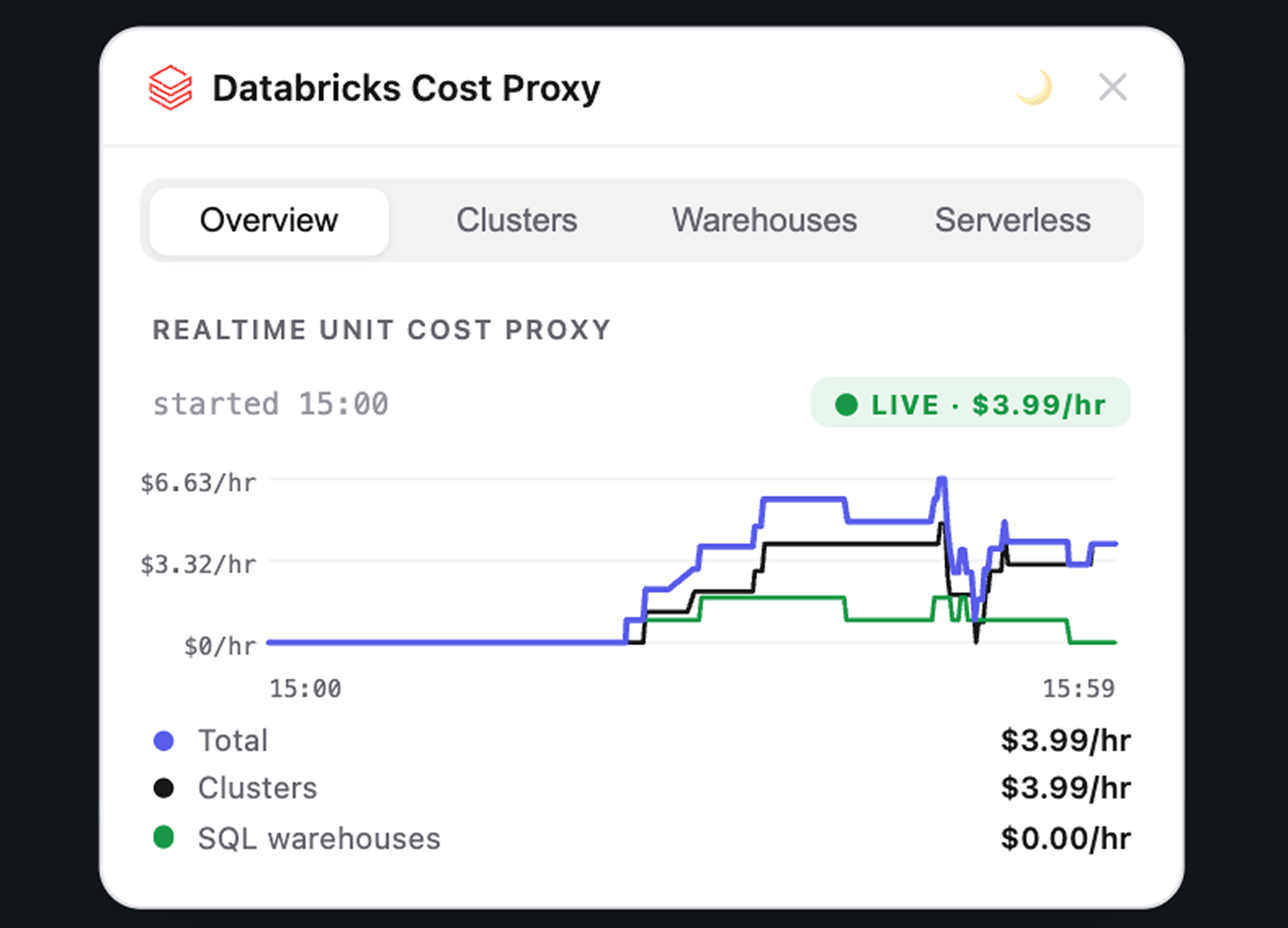
Time to share some typical use cases for TRU+
When cloud costs increase, most teams look for:
- Incidents
- Traffic spikes
- Scaling bugs
- Infrastructure misconfigurations
But some of the most expensive cloud cost drivers don’t break anything. No SLA breaches. No errors. No pager alerts. Just clean deployments — with structural cost impact.
Over the past few weeks, we encountered 4 recurring engineering changes where nothing was technically wrong, yet costs increased in a sustained way. In each case, TRU+ made the causal relationship visible.

Use Case 1: Cache Configuration – The Hidden Runtime Multiplier
Engineering change — Cache policy updated
Upstream change — TTL shortened in cache configuration
Downstream effect — Lower cache hit ratio → more backend calls → increased runtime and database load
Why no alert triggers — No errors, no SLA breach, system works as expected
Structural cost impact — Sustained increase in backend compute and database cost
What TRU+ makes visible — Cost deviation precisely correlated with cache-config deployment timestamp
Key insight — A performance-neutral change can structurally increase compute cost without breaking anything.
Use Case 2: Retry & Timeout Policy – When Reliability Masks Cost
Engineering change — Retry and timeout policy updated
Upstream change — Increased retries and shorter backoff intervals
Downstream effect — Higher sustained CPU usage and increased service-to-service calls
Why no alert triggers — Retries mask failures; reliability may even improve
Structural cost impact — Persistent runtime and network cost increase
What TRU+ makes visible — Direct correlation between retry policy deployment and runtime-cost shift
Key insight — Improved reliability can unintentionally increase infrastructure cost.
Use Case 3: Job Concurrency – Faster Isn’t Always Cheaper
Engineering change — Scheduler / job concurrency configuration updated
Upstream change — Increased number of parallel workers
Downstream effect — Sustained compute burn and higher peak resource usage
Why no alert triggers — Jobs complete faster; no failures or SLA breaches
Structural cost impact — Higher baseline compute consumption
What TRU+ makes visible — Clear linkage between scheduler configuration change and compute cost shift
Key insight — Faster throughput does not automatically mean cheaper execution.
Use Case 4: Observability Configuration – When Visibility Gets Expensive
Engineering change — Observability configuration expanded
Upstream change — Increased log verbosity, trace sampling, or ingestion rate
Downstream effect — Higher IO, ingestion, and storage consumption
Why no alert triggers — Logging does not create incidents
Structural cost impact — Gradual and sustained increase in observability platform cost
What TRU+ makes visible — Long-term cost deviation directly tied to observability config deployment
Key insight — Visibility improvements can silently increase infrastructure and storage costs.
The Pattern Across All 4 Use Cases
These are not incidents. They are structural, recurring engineering changes that create sustained cost impact. The real problem isn’t the change itself. It’s the lack of causal context.
Without clear causality, organizations lose time on:
- Understanding downstream impact
- Establishing causation
- Determining triage importance
- Root cause analysis
- Managing and chasing stakeholders
- Context switching
- Meetings to reconstruct timelines
Time to insight becomes longer than the actual change.
The Hidden Organizational Cost
When cost impact is:
- Hard to trace
- Politically complex
- Cross-team
- Technically ambiguous
Engineers won’t take ownership.
Not because they don’t care. But because:
- It’s unclear what they “caused”
- The signal is weak
- The system is too complex
- The investigation overhead is high
And so cost deviations become background noise. Until they accumulate.
The Real Value
Cloud cost optimization is often framed as:
- Rightsizing
- Reserved instances
- Savings plans
- Commitments
But structural cost impact often starts in:
- Config files
- Retry logic
- Cache policies
- Scheduler parameters
- Observability settings
Small engineering decisions. Large aggregate impact.
TRU+ doesn’t just show that cost increased. It shows:
- What changed
- When it changed
- How cost behavior shifted
- And who owns the configuration
That’s what turns cost visibility into cost ownership.
Related posts
Discover further insights: browse related articles.